Public Spaces for People: Rethinking Streets
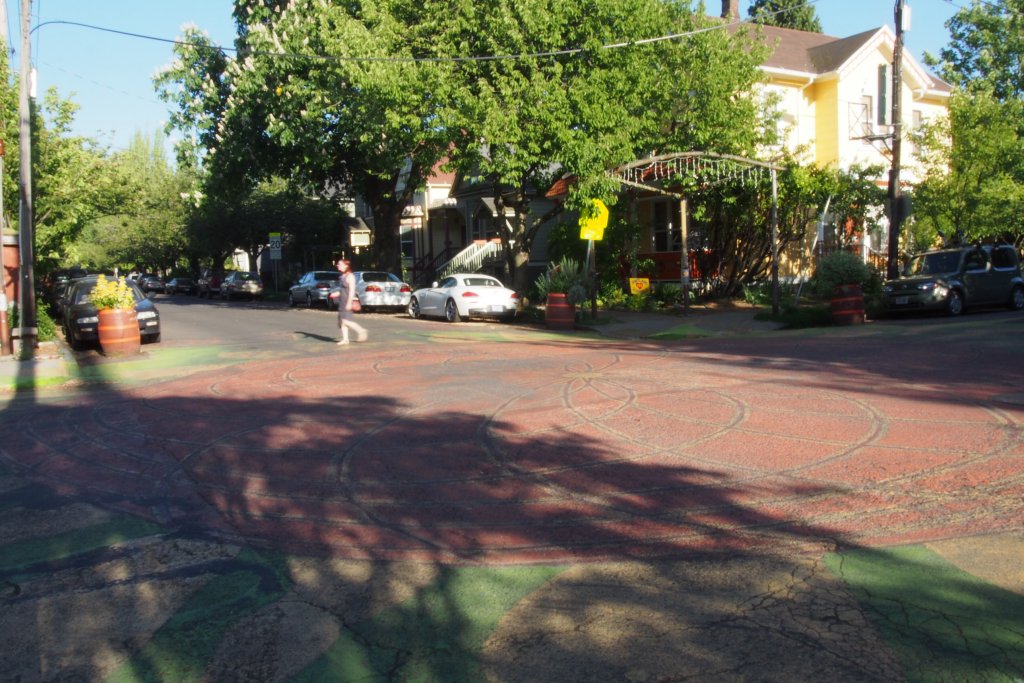
Many urban spaces exist in a sort of public/private grey area. They may be technically public, such as an intersection or a parking space on the street used temporarily by a private car, or technically private, such as that stretch of lawn between the sidewalk and street that an adjacent homeowner is tasked with maintaining. … Read more
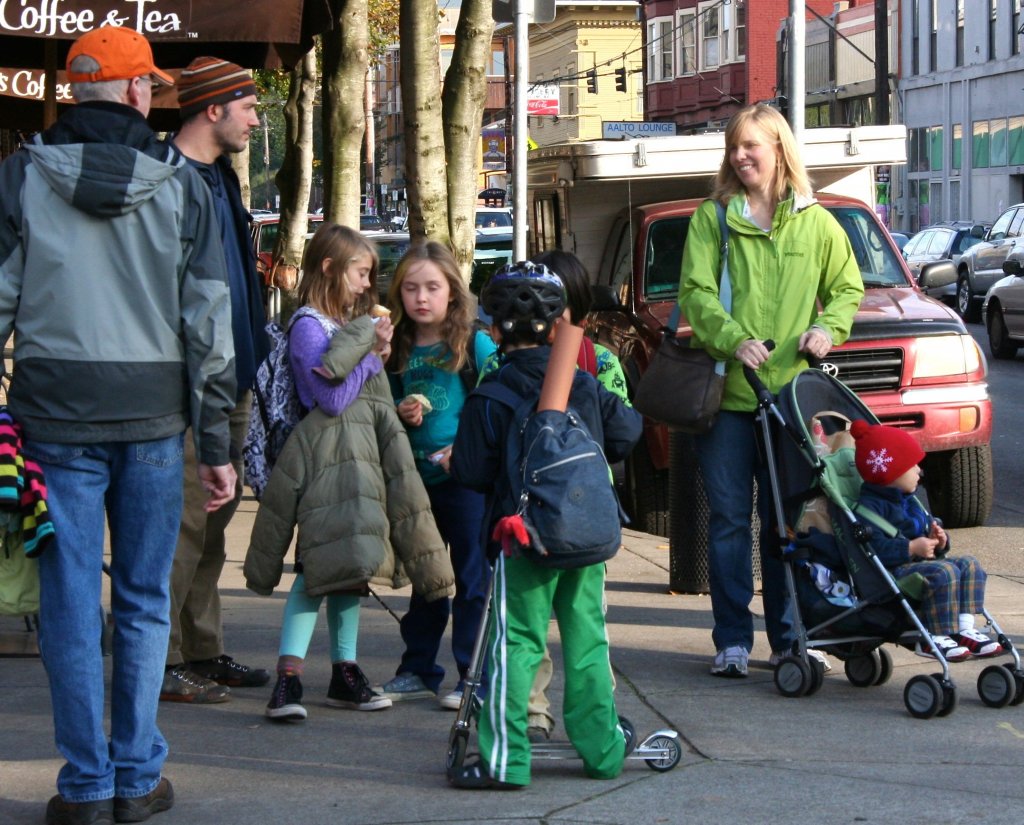
Social Dimensions of Sustainability in Neighborhood Planning

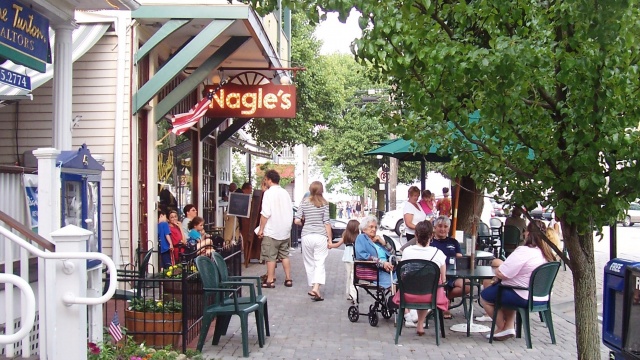
The term "sustainability" has become ubiquitous, and yet, the focus is almost always on the environment. The other dimensions of sustainability – social and economic – are glossed over or even ignored. IMCL holds that a socially sustainable neighborhood needs to promote equitably each individual's social, mental and physical well-being, and the community's cultural, and … Read more

The Case for Age-Friendly Suburbs

By Eric C. Y. Fang Several trends are conspiring to challenge America's ability to house and care for its senior citizens. Utilizing successful examples, architect and planner Eric C.Y. Fang examines how the suburbs can be adapted to support an aging population. America’s established framework for housing and caring for its senior citizens addresses a … Read more

The Pros and Cons of Downtown Family Living

By Jessica Engelmann When I moved to Portland five years ago, I moved because I was looking to put down roots.  At the time, I lived in Washington DC, but I was contemplating a move to Chicago.  I had spent a decade hopping from city to city, and it was time to sit still, at … Read more

The Other Side of Gentrification: Health Effects of Displacement

Gentrification continues to be a hot topic in our quest to create livable cities. While much of the discussion focuses on homogenization, racial tensions, and property values, commonly overlooked are the health effects of dramatic neighborhood change, such as gentrification. What is happening to those who are being pushed out or marginalized within their original … Read more

Why It is Important to Have Children Living Downtown

We have become so accustomed to the 20th century mantra that children need to grow up in suburbia that many would never consider raising a child downtown. Now we know inherent flaws in suburban planning – distances, dangerous streets, monotonous single function zoning, etc – make suburbia unhealthy for children. It is time to reconsider … Read more

Homeless Possessions in Public Places

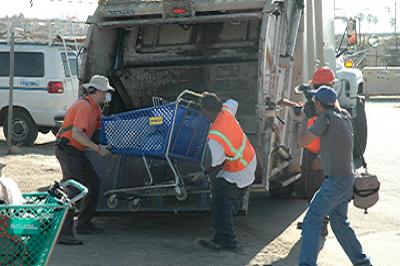
In recent years, poverty and homelessness have increased exponentially in the US. The homeless leave their possessions unattended in shopping carts or piled on the sidewalk while making necessary trips. This can be unsightly, bad for business, and definitely not good for tourism, but do those of us with homes have the right to seize … Read more

The High Density Livability Question

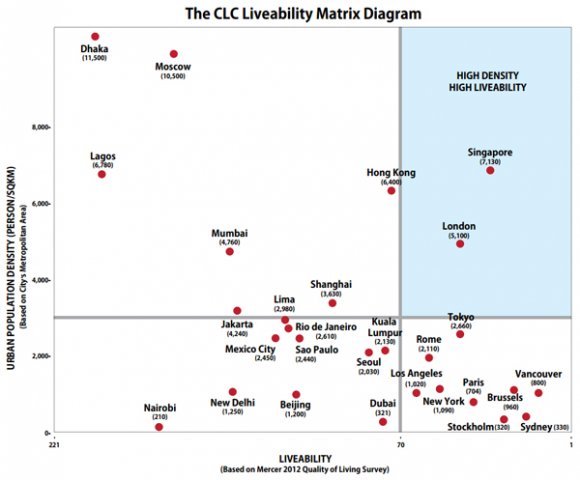
Suzanne H. Crowhurst Lennard, Ph.D. (Arch.) This diagram, suggesting that Singapore is one of the densest and one of the most livable cities in the world, has put the cat among the pigeons and stirred up a frenzied debate. But what does it really show? Firstly, what are they measuring along the “liveability” scale? Is … Read more

Side Effects of Social Media

In his thoughtful and perceptive article, We’re All Connected: Too bad more is not necessarily the same as better, Scott Doyon questions whether our ubiquitous “social media” strengthen our connections to one another. While social media offer innumerable pleasures and benefits, there are side effects that we prefer to deny. We do so at our … Read more

Americans Becoming Sicker: Make the Right Diagnosis

By Richard J. Jackson, MD, MPH In medicine, when a patient is getting sicker despite increasing medicine and treatment, the doctor must find why the therapy seems useless.  What else is going on? What can work better?  One of the first things a medical student learns is: “Make the (Right) Diagnosis”.  If you are not … Read more